Planning a Ngorongoro visit
Choose a clear trip focus, compare the complete arrangements and leave room for the practical differences between crater, highlands and history.
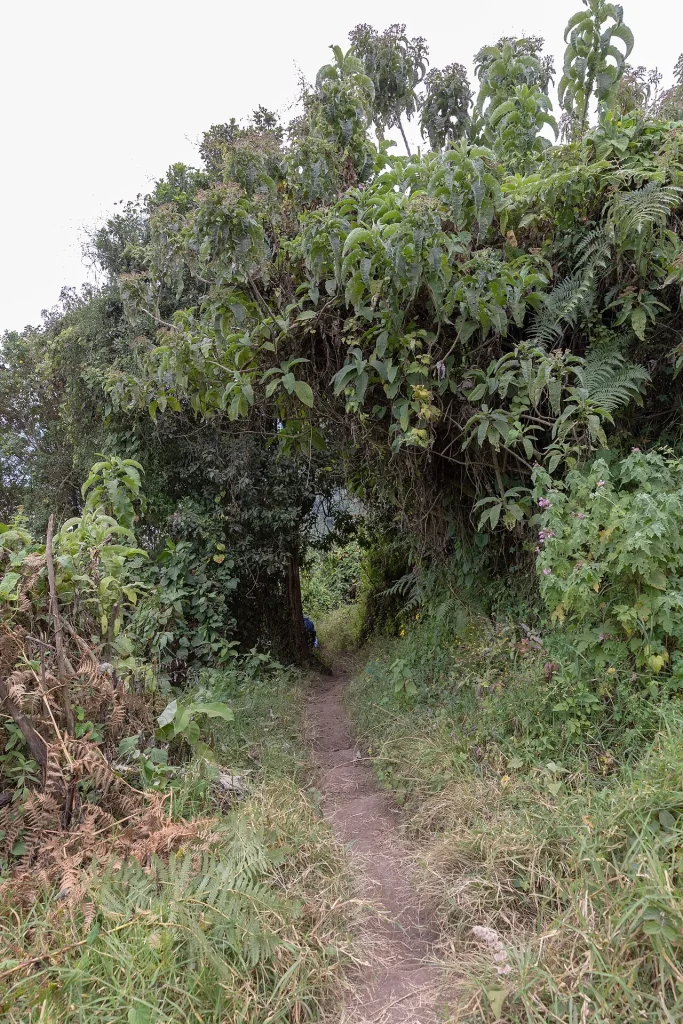
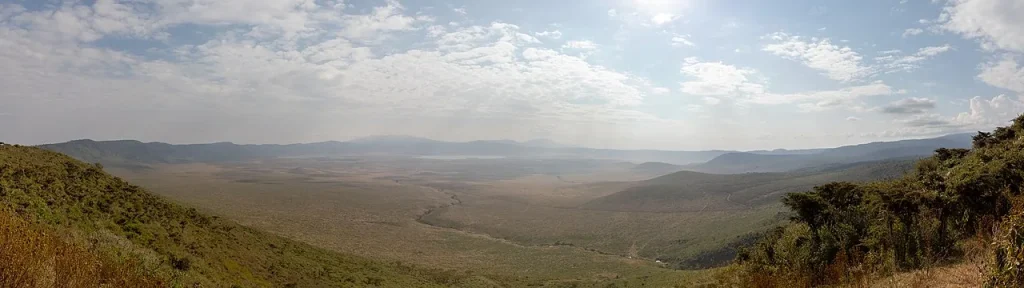
Begin a Ngorongoro plan with the question you most want the visit to answer. You might be drawn to the crater landscape, a highland walk or the archaeological interpretation at Olduvai. A clear priority makes it easier to assess an itinerary and to decide what deserves a separate day.
Define the scope before comparing tours
UNESCO identifies Ngorongoro as a conservation area with natural and cultural values. The crater is one part of that wider setting. Read an operator’s route description closely and ask for the actual places included, rather than assuming the destination name covers every subject.

Balloon Safari & Bush Breakfast in Serengeti - Miracle Experience
Miracle Experience is a premier eco-luxury Hot Air Balloon Safari company based in Tanzania. Our incredible safaris over the Serengeti and Tarangire N...

Serengeti Balloon Safari and authentic bush breakfast
Some things are worth getting up early for and this is certainly one of them. The wonderful experience of a hot-air...

Materuni Waterfalls, coffee tour & Kikuletwa Hot Springs
A comprehensive trip, combining hiking, coffee learn, local brewers & a refreshing dip at the hot springs Great cha...

4h Quad Adventures in Zanzibar: Nungwi / Kendwa Transfer inclus
The price for this activity applies to a maximum of 2 people per Quad. Whether you book for one or two people, the p...
| Main interest | Clarify in the itinerary | Allow room for |
|---|---|---|
| Crater landscape | Whether the plan includes a rim stop, a basin visit or both. | Observation and travel between permitted stops. |
| Highland walking | The specific route, accompaniment and return arrangements. | The uphill return, breaks and changing conditions. |
| Archaeology | Which gorge, museum or other site is included. | Interpretation as well as transport. |
The table is a planning tool, not a statement of current access or a prescribed timetable. A provider should explain how its proposed arrangements fit your dates and group.
Request a complete written outline
Check where the trip begins and ends, who supplies transport and guiding, what accommodation is included and which charges are separate. Ask how meals, water, equipment and luggage are handled. Keep the answers together so that you can compare offers on the same basis.
The NCAA visitor information page provides the authority’s gate, payment and practical guidance. Consult the current information before travel and ask your operator who completes the relevant arrangements. Avoid carrying forward an old fee or timetable from a screenshot as if it were a confirmed booking condition.
Build in flexibility and respect
Discuss access needs, preferred pace and any essential facilities before making a commitment. Clarify what happens if weather, road conditions or an activity restriction changes the route. A useful alternative should be explained in advance, together with the cancellation terms that apply.
Follow instructions for wildlife observation and archaeological sites. Ask permission before photographing people, and respect a refusal without negotiation. Contemporary residents and guides have their own priorities; they should not be treated as scenery or asked to stand in for everyone who lives in the area.

Affordable and Reliable Taxi Services in Zanzibar Island
Our services are reliable and affordable, our drivers are very friendly and they are willing to provide extra help to our customers to reach where the...

Mnemba Island snorkeling and Swimming with Dolphin
Increase your chances of spotting some of Tanzania’s rarest marine life during a snorkeling tour that takes you to...

Private/Sharing: Explore Mnemba Island with a dhow
Enjoy a full day trip to Mnemba Island with one of our traditional Dhows. Mnemba Island is a small island located ou...

Balloon Safari & Bush Breakfast in Tarangire - Miracle Experience
Miracle Experience is a premier eco-luxury Hot Air Balloon Safari company based in Tanzania. Our incredible safaris...
Continue with the crater landscape guide, choosing a base or the full guide collection. Keep the final route focused enough to give each chosen place the attention it deserves.