
Olduvai Gorge and the human record
Approach Olduvai through landscape, evidence and interpretation, with time to understand what makes an archaeological context valuable.
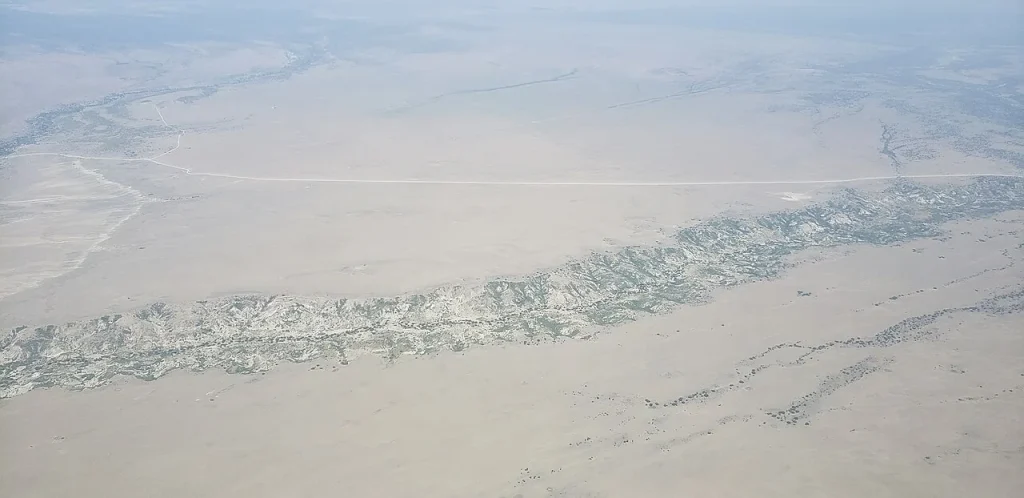
Olduvai Gorge adds a different scale of time to a Ngorongoro journey. The important questions concern what was found, where it was found and how those relationships are interpreted. Planning time for an explanation can make the visit more useful than treating the gorge as a brief photograph between wildlife destinations.
Read the landscape alongside the evidence
The Ngorongoro Lengai Geopark describes the exposed deposits at Olduvai as a record relevant to human ancestry and the history of the surrounding ecosystem. The layers matter because a find gains meaning from its position and its relationship with other evidence.

Balloon Safari & Bush Breakfast in Serengeti - Miracle Experience
Miracle Experience is a premier eco-luxury Hot Air Balloon Safari company based in Tanzania. Our incredible safaris over the Serengeti and Tarangire N...

Serengeti Balloon Safari and authentic bush breakfast
Some things are worth getting up early for and this is certainly one of them. The wonderful experience of a hot-air...

Materuni Waterfalls, coffee tour & Kikuletwa Hot Springs
A comprehensive trip, combining hiking, coffee learn, local brewers & a refreshing dip at the hot springs Great cha...

4h Quad Adventures in Zanzibar: Nungwi / Kendwa Transfer inclus
The price for this activity applies to a maximum of 2 people per Quad. Whether you book for one or two people, the p...
Ask an interpreter to distinguish the visible landscape from the specific archaeological sites being discussed. A broad gorge photograph does not locate every discovery. Similarly, a reconstruction, an illustration and an original object perform different jobs in an exhibition. Reading their labels carefully helps keep those distinctions clear.
Use a few focused questions
- What kind of evidence supports the interpretation being explained?
- Which place or layer does the display refer to?
- Is the object on view an original, a cast or another form of reconstruction?
- What remains uncertain, or has changed as research developed?
You do not need specialist vocabulary to ask these questions. They encourage a discussion of method as well as discoveries. Avoid trying to assemble a simple ladder of human progress from a few labels; an exhibition may bring together evidence from different periods and locations.
Keep related sites distinct
UNESCO’s description of Ngorongoro recognizes archaeological and palaeoanthropological places including Olduvai and Laetoli. These are distinct locations within a larger heritage context. A visit to one does not mean that another is included or accessible on the same arrangements.
The NCAA attraction directory also distinguishes Olduvai Gorge, the New Olduvai Gorge Museum and the Dr. Mary Leakey Living Museum. Confirm which places your itinerary names, how much interpretive time is included and whether additional arrangements are needed. Do not infer a complete museum programme from the word Olduvai alone.
Protect the context you came to understand
Follow the instructions for paths, displays and photography. Leave stones and possible finds in place, and ask staff how to report anything that draws your attention. A souvenir removed from its setting loses information that cannot be restored by a photograph.

Affordable and Reliable Taxi Services in Zanzibar Island
Our services are reliable and affordable, our drivers are very friendly and they are willing to provide extra help to our customers to reach where the...

Mnemba Island snorkeling and Swimming with Dolphin
Increase your chances of spotting some of Tanzania’s rarest marine life during a snorkeling tour that takes you to...

Private/Sharing: Explore Mnemba Island with a dhow
Enjoy a full day trip to Mnemba Island with one of our traditional Dhows. Mnemba Island is a small island located ou...

Balloon Safari & Bush Breakfast in Tarangire - Miracle Experience
Miracle Experience is a premier eco-luxury Hot Air Balloon Safari company based in Tanzania. Our incredible safaris...
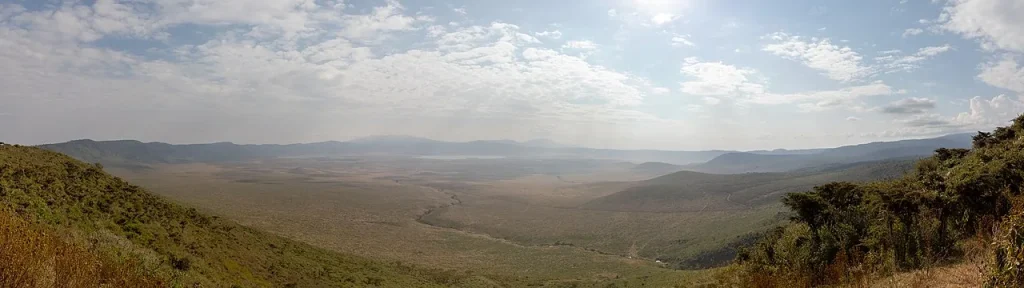
For a balanced itinerary, connect this history chapter with an introduction to the crater landscape. Use our planning guide to compare the interpretation, travel and accommodation arrangements as one complete day.
.jpg)
